
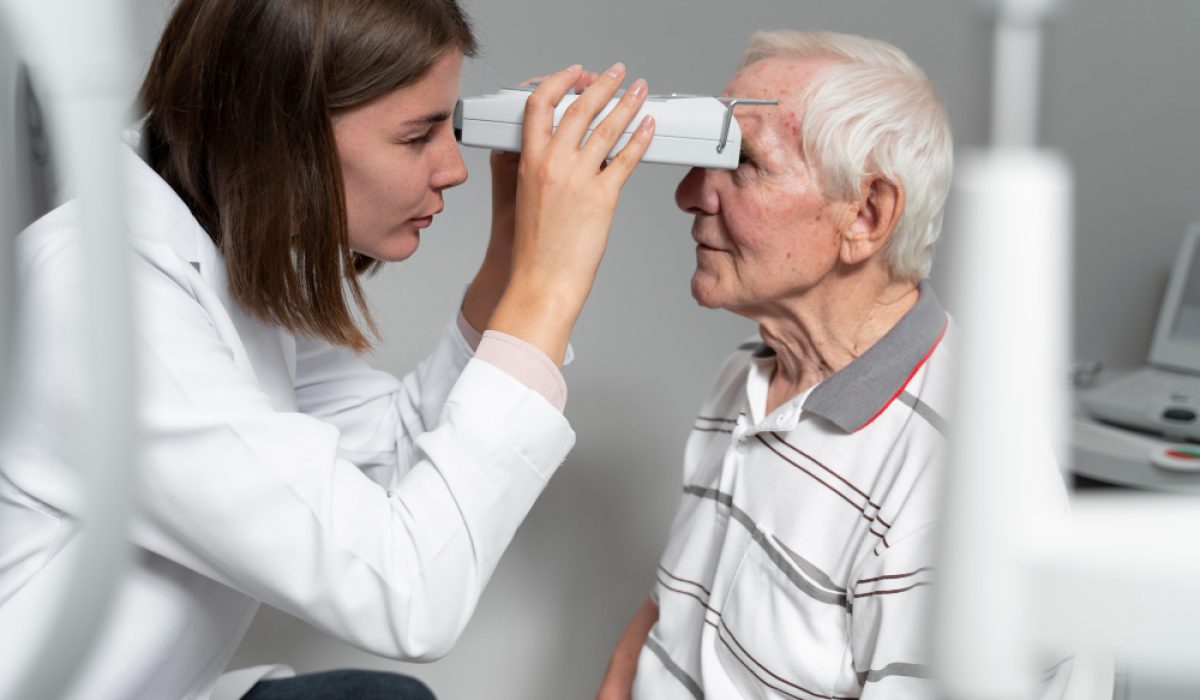
Are you thinking about clearer vision without glasses or contacts? Many people compare LASIK vs ICL when looking at vision correction options. Both methods can help you see better, but they work in different ways. Choosing between LASIK and ICL is important for your eye health and lifestyle. This guide will help you understand your choices and make an informed decision.
What is LASIK?
LASIK stands for Laser-Assisted In Situ Keratomileusis. It is a popular surgery to correct vision problems like nearsightedness, farsightedness, and astigmatism. During LASIK, a doctor uses a laser to reshape the cornea, which is the clear front part of your eye. This helps light focus better on the retina, so you can see more clearly.
What is ICL?
ICL stands for Implantable Collamer Lens. In this procedure, a doctor places a special lens inside your eye, behind the colored part (iris) and in front of your natural lens. Unlike LASIK, ICL does not change the shape of your cornea. Instead, it adds a lens to help you see better.
Key Differences Between LASIK and ICL
How to Decide: Factors to Consider
Choosing between LASIK and ICL depends on several things. First, think about your age. Most doctors recommend waiting until your vision is stable, usually after age 18. Next, consider your eye health. If you have thin corneas or dry eyes, ICL may be a better choice. On the other hand, if you have healthy eyes and a mild prescription, LASIK could work well.
Also, your lifestyle matters. For example, if you play contact sports, talk to your doctor about which option is safer. Your prescription strength is important too. ICL can correct higher levels of nearsightedness than LASIK. Finally, think about your personal preferences and budget. Both surgeries can help you see better, but one may fit your needs more closely.
Frequently Asked Questions
Consultation and Next Steps
Now that you know more about LASIK vs ICL, you can start thinking about your next steps. However, only a qualified ophthalmologist can tell you which vision correction option is best for you. Schedule a consultation to discuss your eyes, health, and lifestyle. With expert advice, you can choose the path to vision freedom that fits your needs.
Consult a qualified ophthalmologist to determine the best vision correction option for your unique needs.