
What Is Myopia?
Myopia, also called nearsightedness, is a common eye condition. People with myopia see close objects clearly, but distant objects look blurry. Myopia progression in children and adults can affect daily life. This condition is growing worldwide, especially among young people. According to the World Health Organization (WHO), myopia rates are rising fast. Early care and modern myopia treatment can help manage this condition.
Symptoms of Myopia in Adults and Children
Myopia symptoms can appear at any age. However, they often start in childhood. Recognizing these signs early is important. Common symptoms include:
In children, teachers may notice trouble seeing the board. Adults may find night driving harder. If you notice these signs, it is wise to get an eye exam.
Causes and Risk Factors for Myopia Progression
Several factors can cause myopia or make it worse. Genetics play a big role. If parents have myopia, their children are more likely to develop it. But, lifestyle also matters. Spending long hours on screens or reading up close can increase risk. Lack of outdoor time is another factor. Recent studies show that children who spend less time outside have higher rates of myopia progression. Other risk factors include:
Understanding these risks can help you take steps to slow myopia.
How Myopia Is Diagnosed
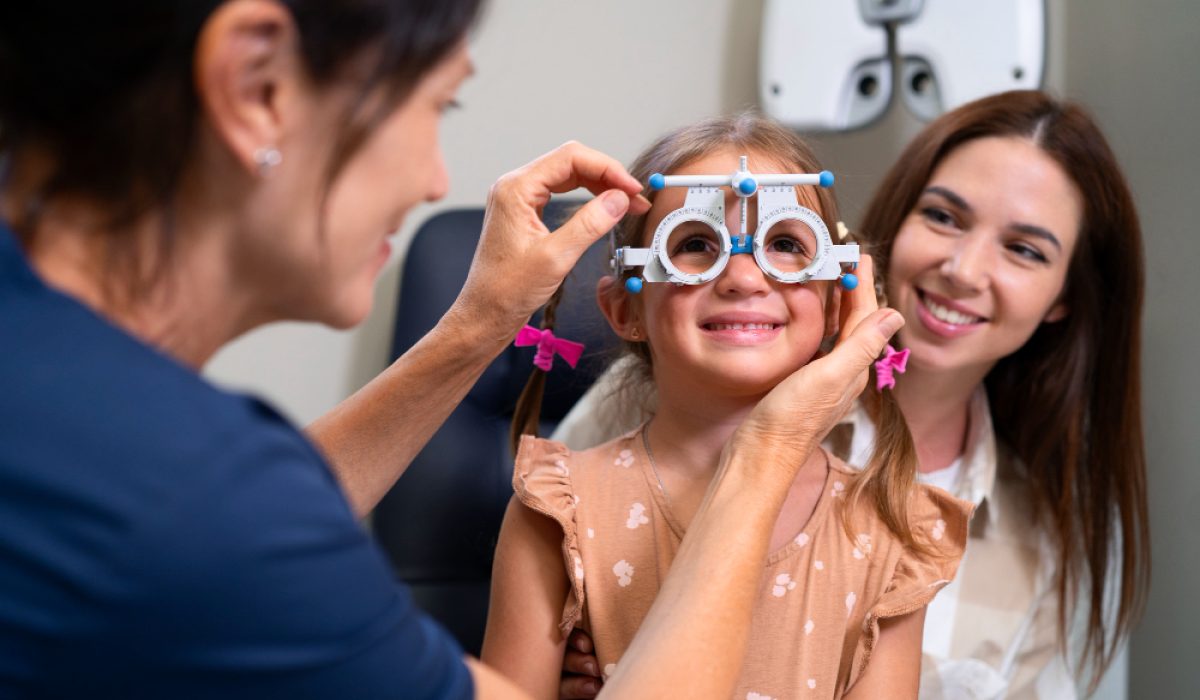
Eye care specialists use simple tests to diagnose myopia. First, they ask about your vision and symptoms. Next, they check your eyesight using an eye chart. They may use special tools to measure how your eyes focus light. Sometimes, eye drops are used to help get a better reading. For children, regular eye exams are key. Early diagnosis helps with better myopia management for adults and kids alike.
Modern Treatment Options and Management Strategies
Today, there are many ways to manage myopia progression in children and adults. Glasses and contact lenses are the most common treatments. However, modern myopia treatment offers more choices. Some options include:
Each treatment has pros and cons. Therefore, your eye doctor will help you choose the best option for your needs.
Lifestyle Tips and Prevention Strategies
While you cannot change your genes, you can take steps to slow myopia. Here are some helpful tips:
By following these steps, you can help protect your eyes and slow myopia progression.
Latest Advances in Myopia Care
Modern research has led to new ways to manage myopia. For example, special contact lenses and glasses can slow myopia progression in children. Low-dose atropine eye drops are another promising option. These drops have shown good results in many studies. In addition, new lens designs are being tested to help manage myopia better. Eye care clinics in many cities now offer these advanced treatments. Always ask your eye doctor about the latest options available in your area.
Conclusion: Take Charge of Your Eye Health
Myopia progression in adults and children is a growing concern. However, with modern myopia treatment and smart lifestyle choices, you can manage this condition well. Early diagnosis and regular eye exams are key. If you or your child have symptoms, do not wait. Consult an eye care specialist for personalized advice on managing myopia progression.