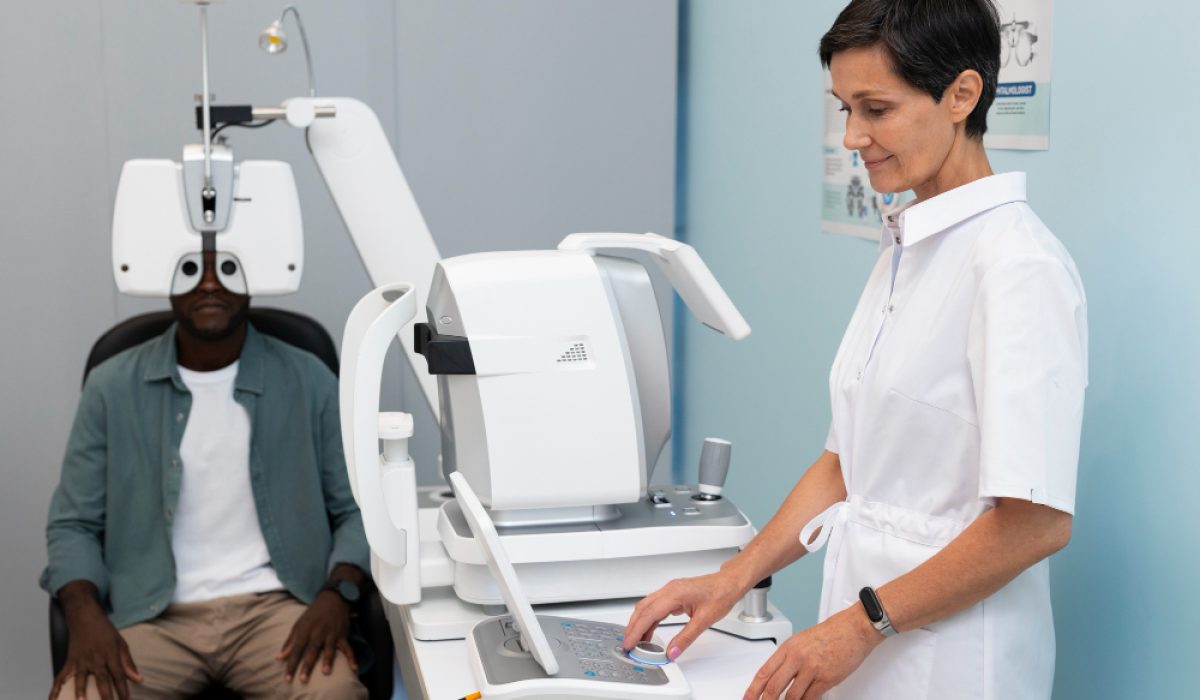
What Is Refractive Surgery?
Refractive surgery is a type of eye procedure that helps correct vision problems. For example, it can treat nearsightedness, farsightedness, and astigmatism. Common types include LASIK and PRK. Both use lasers to reshape the cornea, which is the clear front part of your eye. As a result, many people can see clearly without glasses or contact lenses after surgery. However, not everyone is a good candidate. Therefore, a full eye exam is needed first. According to the American Academy of Ophthalmology, these surgeries are safe and effective for most healthy adults.
Why Preparation Matters
Proper preparation is key for a safe and successful refractive surgery. When you follow your doctor’s advice, you lower your risk of problems. In addition, you help your eyes heal faster. Many people ask, “How do I prepare for LASIK?” or “What should I do before eye surgery?” The answer is that careful planning helps you get the best results. For instance, skipping steps can delay your recovery. The World Health Organization also stresses the value of pre-surgery care for all eye procedures.
Key Steps Before Surgery
Before your refractive surgery, your eye doctor will give you a checklist. This helps you get ready and avoid surprises. Here are some important steps:
Eye Exams: Schedule a full eye check-up. Your doctor will measure your vision and eye health.
Consultations: Talk with your surgeon about your goals and any concerns. Ask questions about the procedure.
Contact Lens Guidelines: Stop wearing contact lenses as advised. Soft lenses may need to be stopped for a week. Hard lenses may require a longer break. This helps your cornea return to its natural shape.
Medication: Tell your doctor about all medicines you take. Some may need to be paused before surgery.
Lifestyle Adjustments: Avoid eye makeup, creams, or lotions for at least 24 hours before surgery. Plan for time off work and arrange for someone to drive you home.
Following these eye surgery preparation tips can make your experience smoother and safer.
What to Expect on Surgery Day
On the day of your refractive surgery, you may feel nervous. But knowing what to expect can help. Here’s a simple guide:
Fasting: Some clinics may ask you not to eat or drink for a few hours before surgery. Always follow your doctor’s instructions.
Clothing: Wear comfortable clothes. Avoid tops that need to be pulled over your head.
No Makeup or Fragrance: Do not wear makeup, perfume, or lotions. These can affect the surgery.
Transportation: Arrange for a friend or family member to drive you home. You will not be able to drive yourself.
Arrival: Arrive early to complete any last-minute paperwork. The staff will review your checklist and answer questions.
Most surgeries take less than 30 minutes. You will be awake, but your eyes will be numbed with drops.
Aftercare and Recovery Tips
After surgery, taking care of your eyes is very important. Good aftercare helps you heal and lowers the risk of problems. Here are some tips:
Rest: Keep your eyes closed as much as possible for the first few hours.
Follow-Up Visits: Attend all scheduled check-ups. Your doctor will check your healing and answer questions.
Eye Drops: Use any prescribed drops as directed. They help prevent infection and reduce dryness.
Avoid Rubbing: Do not touch or rub your eyes, even if they feel itchy.
Protect Your Eyes: Wear sunglasses outdoors to shield your eyes from bright light.
Limit Activities: Avoid swimming, hot tubs, and heavy exercise for at least a week.
Most people notice better vision within a day or two. However, full healing can take a few weeks.
Frequently Asked Questions
Is refractive surgery painful? Most people feel only mild discomfort. Numbing drops are used during the procedure.
How soon can I return to work? Many return to work within a few days. However, this depends on your job and healing speed.
Are there risks? Like all surgeries, there are risks. These include dry eyes, glare, or infection. Your doctor will discuss these with you.
How do I find a good eye surgeon? Look for a board-certified specialist in your area. Ask about their experience with refractive surgery.
Can I have both eyes done at once? Often, both eyes are treated on the same day. Your doctor will decide what’s best for you.
Consult a qualified eye specialist for personalized advice before your refractive surgery.